

Okay, so check this out—wallet extensions feel simple until they don’t. Whoa! You click “Add to Chrome” and expect it to just work. My instinct said “this will be fine” the first few times I tried one. Hmm… something felt off about a couple of fake listings though, and that made me pause. Initially I thought browser wallets were all the same, but then I dug in and found subtle UX and security differences that actually matter.
Short version: Phantom is a popular Solana wallet extension that aims to make on‑chain interactions smooth and fast. Seriously? Yes. It’s fast. But speed alone isn’t the whole story. There are privacy tradeoffs, permission prompts, and extension sprawl to keep an eye on—especially on a cluttered Chrome or Brave setup.
Here’s what I normally do when I set one up. First, I audit my browser: do I have many extensions running? If yes, disable the ones you don’t need. Why? Because extensions can conflict or leak metadata in ways that are subtle. Next, check the listing carefully—publisher name, number of installs (ballpark), and the small stuff like screenshots and support links. On one hand you can trust these cues; on the other hand, clever impostors mimic them pretty well. So be skeptical.
Now for the practical, step‑by‑step experience—my real, hands‑on take. Install Phantom from a trusted source. If you want to try it, you can download the Phantom extension here. After adding it, you’ll create a new wallet or import an existing one via seed phrase. Pause. Don’t screenshot the seed phrase. Ever. Seriously. Write it down, multiple copies, and stash them in different safe places. My partner thought a photo backup was clever once—big mistake. Lesson learned.
What makes Phantom different (and what still bugs me)
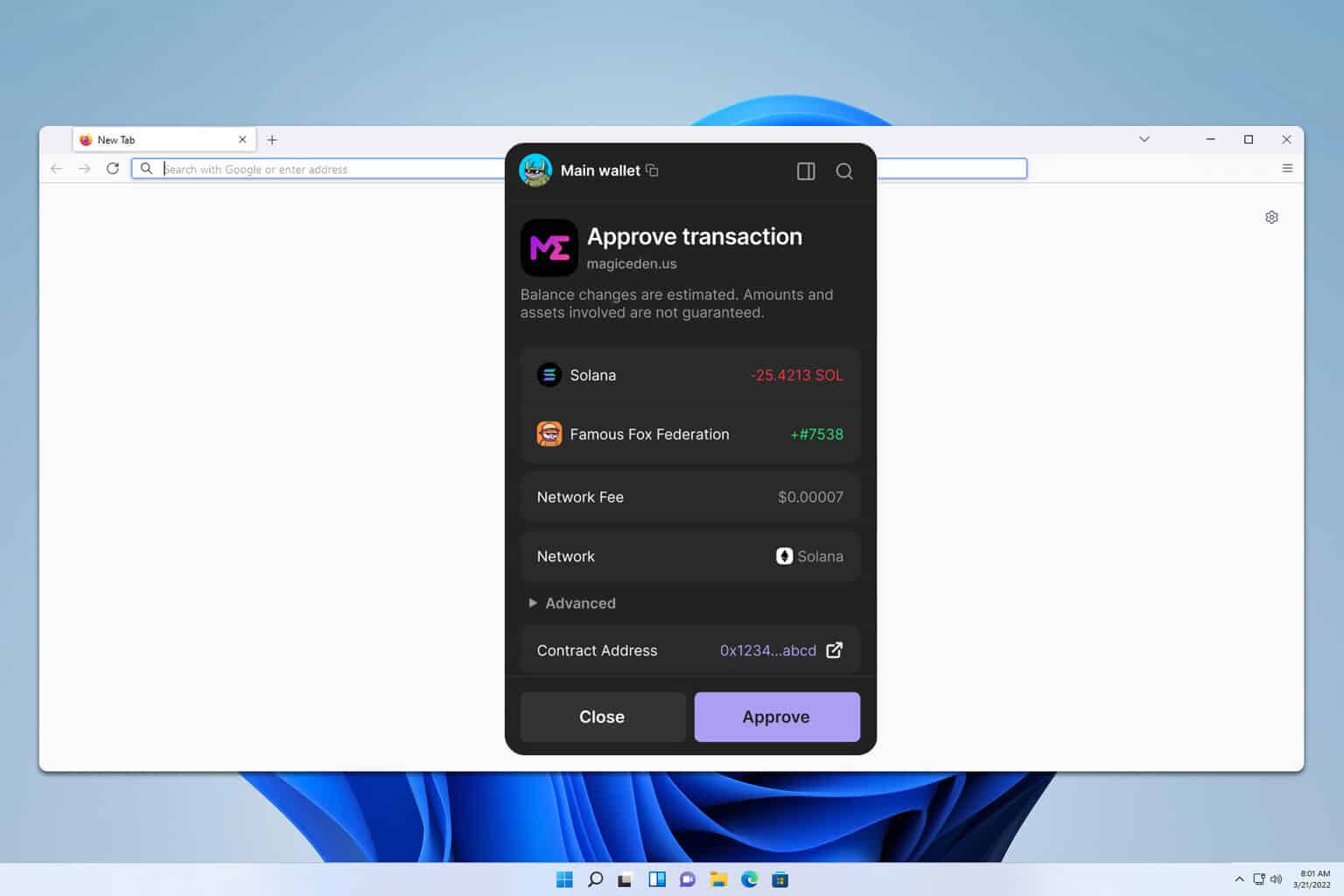
Phantom nails UX in a way that feels native to Solana apps. Transactions are often one‑click affairs, and token displays are clean. But here’s the rub: the convenience can lull you into approving prompts quickly. On more than one occasion I approved a contract interaction without fully reading it. Oops. That part bugs me, because it’s the same human behavior that phishing actors count on—quick reflexes over careful thought. So I slow down now. I check the contract addresses, the network, and the exact amount before approving. It’s boring, tedious, but very very important.
One thing I appreciate is how Phantom manages multiple accounts inside the extension. You can create different keys for different use cases—one for small trading, one for staking, another for experimental dApp use. That practice isn’t novel, but Phantom makes it painless. On the flip side, hardware wallet integration is still somewhat clunky compared with some other ecosystems, though improvement has been steady.
Security tips from someone who’s made rookie mistakes: use a hardware wallet for large balances, pin the extension in your browser for quick access control, and keep browser and OS updates current. Also, double‑check the domain names when connecting to a dApp. A subtle misspelling can route you to a scammy interface that looks nearly identical. My advice? If a site asks for your seed phrase to “verify” something, close the tab. Close it now. No legitimate dApp needs that.
On the privacy front: extensions may expose browsing metadata to each other, and some dApps request an array of permissions. Phantom scopes permissions fairly narrowly, but always read the connection popups. Ask: does this dApp need to see my full token list, or just request to sign a single transaction? There’s a difference, though actually, wait—let me rephrase that—sometimes the popup language is fuzzy, so your best defense is skepticism.
Performance: Phantom is quick on Solana. Transactions confirm fast. That speed changes how you interact with apps; you try more things because the friction is low. But low friction means impulsive trades and accidental approvals become more likely. Balance speed with discipline.
Common questions people actually ask
Is a browser extension wallet safe for large sums?
Short answer: not ideal. Browser extensions are convenient. They’re also a bigger attack surface than cold storage. If you’re holding significant funds, consider a hardware wallet for day‑to‑day security, and use an extension only for smaller amounts or active trading. I’m biased toward hardware for long‑term holdings.
What about fake Phantom extensions—how do I avoid them?
Look for the official publisher name, check community channels for the correct download link, and verify reviews cautiously. If the listing has typos, odd screenshots, or asks for extra permissions, skip it. Also, check the extension’s permissions in the browser before accepting—those permission prompts tell a lot.